Film Trail

Where Forrest Gump Was Filmed

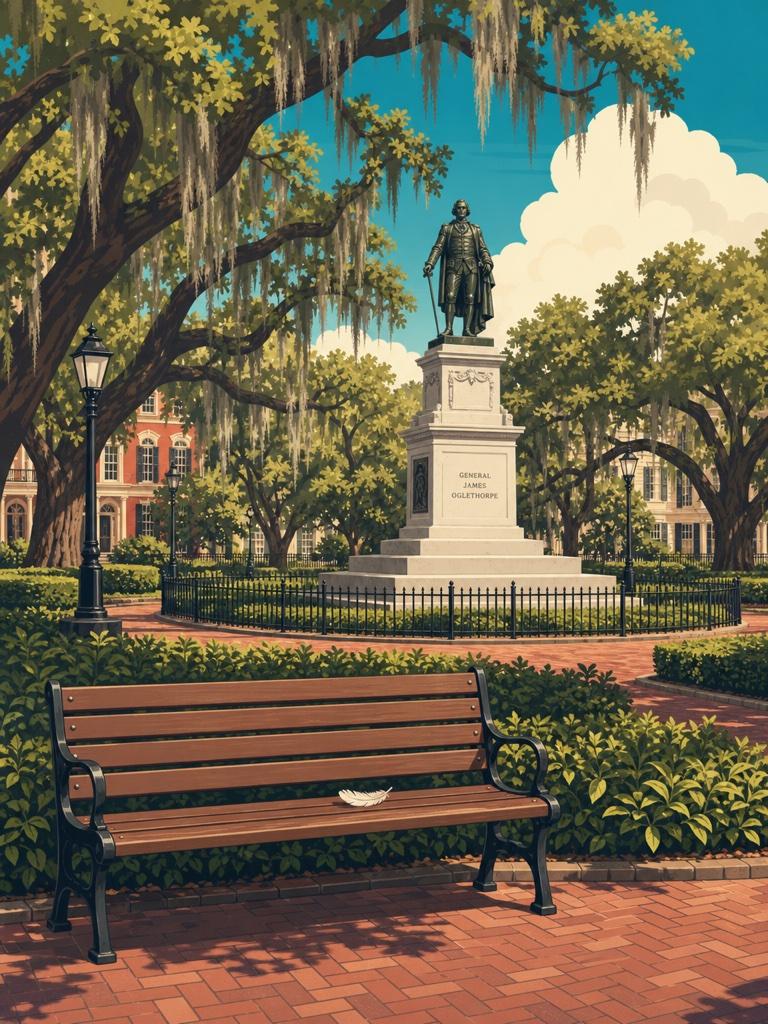
Illustrated VistaSpots postcard of the live oaks and bus-stop bench in Chippewa Square, Savannah
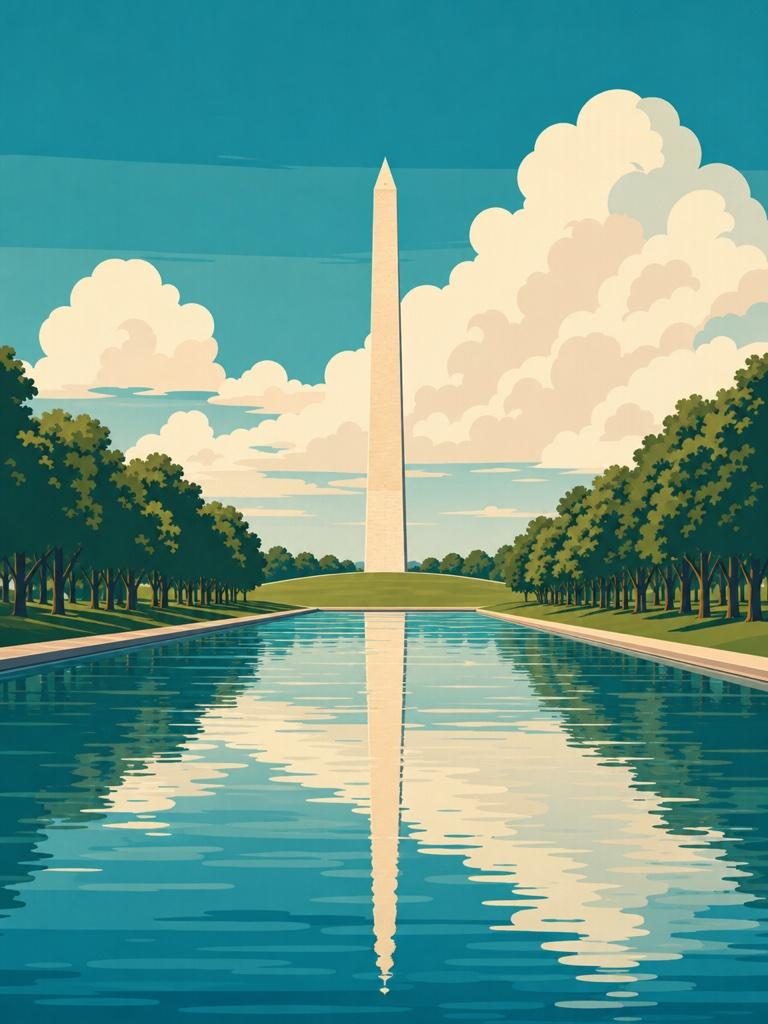
Illustrated VistaSpots postcard of the Washington Monument reflected down the Lincoln Memorial Reflecting Pool
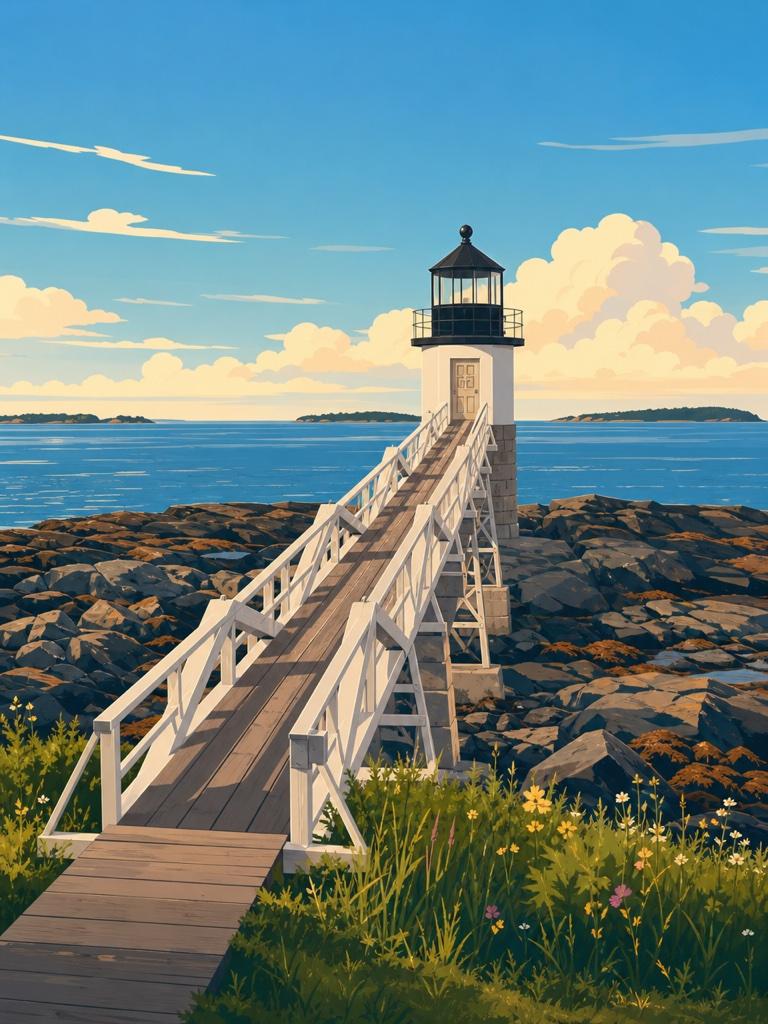
Illustrated VistaSpots postcard looking down the walkway to Marshall Point Lighthouse, Port Clyde, Maine

Forrest Gump is half a life story and half an itinerary. Robert Zemeckis shot the 1994 film on location across the American South, Washington, D.C. and the West, and the running sequence alone strings together a Maine lighthouse, a Montana lake, a California pier and a rise of Utah highway that everyone now calls Forrest Gump Point — a name it carries on no map. Six of those places are on this trail. All six are still standing; the bench in Savannah is not — it was a prop and left with the crew, which is the single most useful thing to know before you go looking for it.

Last updated

On the trail

Six Forrest Gump filming locations you can visit

Every filming location on the Forrest Gump Film Trail, with the name it goes by in Forrest Gump, where it is, and how you get in.
LocationOn screenWhereGetting in
Chippewa SquareThe Bus Stop BenchSavannah, GeorgiaFree, open public square
Lincoln Memorial Reflecting PoolThe Reflecting Pool ReunionWashington, District of ColumbiaFree, open 24 hours
Marshall Point LighthouseClear to the OceanPort Clyde, MaineFree; walkway open, museum seasonal
Santa Monica PierMight as Well Keep GoingSanta Monica, CaliforniaFree to walk; paid parking
Saint Mary LakeTwo SkiesGlacier National Park, MontanaPark entrance fee; seasonal road
Forrest Gump PointThe End of the RunMexican Hat, UtahFree roadside pull-out; live highway
Illustrated VistaSpots postcard of the live oaks and bus-stop bench in Chippewa Square, Savannah

Chippewa Square

On screen: The Bus Stop Bench

Savannah, Georgia

The film opens on a feather drifting down past the spire of the Independent Presbyterian Church and settling at Forrest's feet on a bench in Chippewa Square — one of the 22 squares still laid out on Oglethorpe's 1733 plan for Savannah. The bench was a movie prop. It left with the production and is now displayed inside the Savannah History Museum, which catches most visitors out. What is still here is the square itself, the live oaks and the Oglethorpe monument at its centre.

Illustrated VistaSpots postcard of the Washington Monument reflected down the Lincoln Memorial Reflecting Pool

Lincoln Memorial Reflecting Pool

On screen: The Reflecting Pool Reunion

Washington, District of Columbia

Pulled onstage at an anti-war rally at the Lincoln Memorial, Forrest spots Jenny in the crowd and the two of them meet in the middle of the Reflecting Pool. It was shot on the Mall itself, which is why the water runs unbroken all the way to the Washington Monument: the World War II Memorial that now closes the far end was not built until 2004. The film's angle is from the Lincoln Memorial steps, straight down the pool with the Monument centred at the end of it.

Illustrated VistaSpots postcard looking down the walkway to Marshall Point Lighthouse, Port Clyde, Maine

Marshall Point Lighthouse

On screen: Clear to the Ocean

Port Clyde, Maine

The lighthouse Forrest runs out to on the Atlantic leg of the run stands at the end of a short granite causeway in Port Clyde, near the tip of the St. George peninsula. Tom Hanks filmed the sequence there in October 1993, running the wooden walkway towards the tower, and visitors have been repeating it ever since. The keeper's house is a small volunteer-run museum; the walkway is open and free, and the film's angle is along the planks with the tower dead ahead.

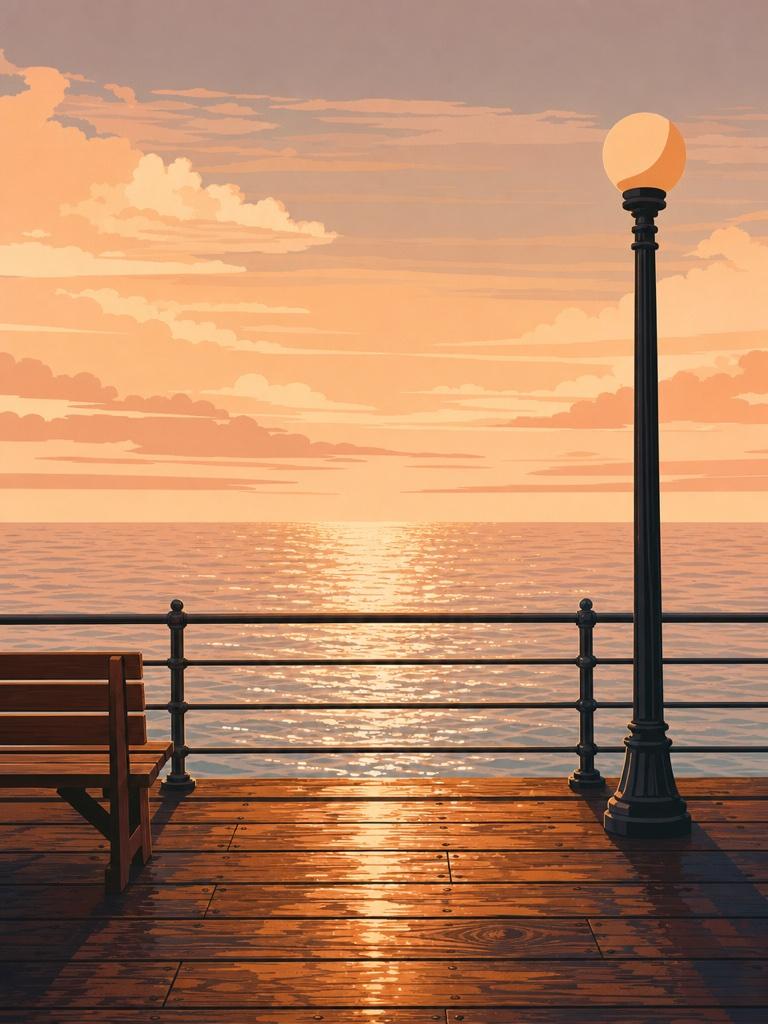
Illustrated VistaSpots postcard of the rail at the end of the Santa Monica Pier at sunset

Santa Monica Pier

On screen: Might as Well Keep Going

Santa Monica, California

Running west, Forrest reaches the Pacific at the Santa Monica Pier, stops at the rail, and turns around rather than finish. The pier has stood since 1909, and the shot predates its most recognisable feature — Pacific Park and its solar Ferris wheel did not open until 1996, two years after the film. The scene's vantage is right at the end of the deck, at the rail, looking out to sea; late afternoon is when the light matches.

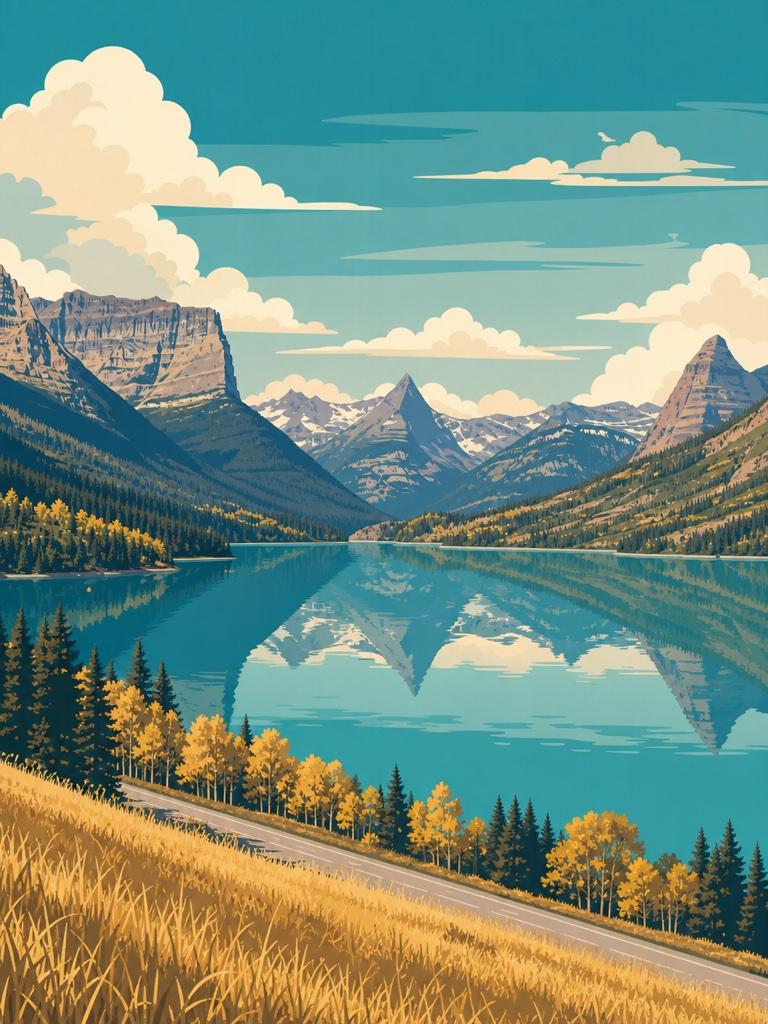
Illustrated VistaSpots postcard of the road beside Saint Mary Lake in Glacier National Park, Montana

Saint Mary Lake

On screen: Two Skies

Glacier National Park, Montana

The most copied frame of the whole run — Forrest and his followers on an empty road beside water so still it doubles the sky — was shot along Saint Mary Lake in Glacier National Park. It is almost always credited to the Wild Goose Island overlook, but the golden grass and the open roadside in the shot place it about 6 km further east, on the Two Dog Flats stretch of Going-to-the-Sun Road near the lake's eastern end. Going-to-the-Sun Road is seasonal, and this eastern section opens earliest.

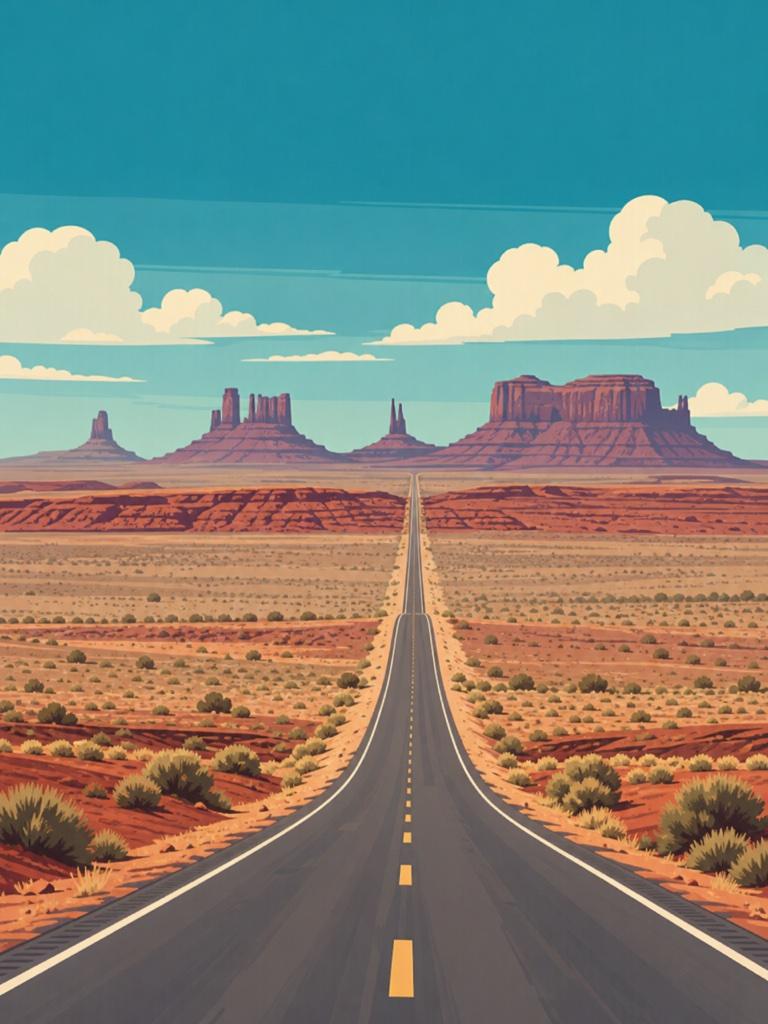
Illustrated VistaSpots postcard of U.S. 163 running towards the buttes of Monument Valley at Forrest Gump Point

Forrest Gump Point

On screen: The End of the Run

Mexican Hat, Utah

Forrest stops running on a rise of U.S. Route 163 in southern Utah, the highway falling away in front of him towards the buttes of Monument Valley. The pull-out sits near mile marker 13 and carries no official name — Forrest Gump Point is simply what visitors have called it since the film. The frame looks south down the centre line towards the Mittens and Merrick Butte. This is a live highway with fast traffic and no shoulder to speak of, so shoot from the verge, not the road.

About the film

A film shot on the road, in 1993

Forrest Gump was filmed largely on location in 1993 and released in July 1994. The fictional Greenbow, Alabama was played by the Lowcountry around Beaufort, South Carolina; Savannah, Georgia supplied the bus-stop square that frames the whole story; and the cross-country run was shot as a genuine road trip, picking up the Blue Ridge, Glacier National Park, the Utah–Arizona border country and the Pacific at Santa Monica.

The date matters more than it usually does, because two of these places changed shortly afterwards. The Lincoln Memorial Reflecting Pool runs unbroken to the Washington Monument in the reunion scene because the World War II Memorial that now sits at its eastern end was not built until 2004. The Santa Monica Pier has no Ferris wheel in Forrest's shot because Pacific Park did not open until 1996. Standing in either place today, the film's frame is the one thing you cannot quite reproduce.

Film
Forrest Gump (1994)
Director
Robert Zemeckis
Studio
Paramount Pictures
Filmed
On location across the United States, 1993
On this trail
6 locations, Georgia to Utah
The bench
A prop — now in the Savannah History Museum

VistaSpots is an independent travel app and is not affiliated with, endorsed by, or sponsored by Paramount Pictures or any rights holder in Forrest Gump. Film and place names are used descriptively, to identify real locations that are open to the public.
For fans who travel

Collect the run, one stop at a time

The locations in Forrest Gump are ordinary places that a single camera setup made famous. VistaSpots gives you that setup — where to stand, which way to face, and what has changed since 1993.

Stand where the camera stood

Each card is drawn from the film's own angle on the real place rather than the location's postcard view, so the frame you take home is the one you recognise from the screen.

Know what changed

A bench that left with the crew, a memorial built ten years later, a Ferris wheel that went up in 1996. Half of visiting a 1993 film is knowing which parts of the shot no longer exist.

Keep the trail together

Collect a location and it lands in one album with everywhere else you have been, in the order the film runs them, instead of scattering through a camera roll you never scroll back through.

FAQ

Frequently asked questions

Where was Forrest Gump filmed?

On location across the United States in 1993. Greenbow, Alabama was played by the Lowcountry around Beaufort, South Carolina; the bus-stop framing story was shot in Chippewa Square in Savannah, Georgia; the reunion scene on the National Mall in Washington, D.C.; and the cross-country run took in Marshall Point Lighthouse in Maine, Saint Mary Lake in Glacier National Park, Montana, U.S. Route 163 in southern Utah, and the Santa Monica Pier in California.

Is the Forrest Gump bench still in Chippewa Square?

No. The bench was built as a movie prop and left with the production. It is now on display inside the Savannah History Museum, a short walk from the square. Chippewa Square itself is unchanged and is still open to the public — there is simply no bench at the spot where the scene was shot.

Where is Forrest Gump Point?

On U.S. Route 163 in San Juan County, Utah, near mile marker 13, between Mexican Hat and the Arizona state line. It is a roadside rise looking south towards Monument Valley, and the name is unofficial — it appears on no highway sign or map. Traffic moves fast and there is very little shoulder, so photograph it from the verge rather than the road.

Where was the Forrest Gump running scene with the lake filmed?

Along Saint Mary Lake in Glacier National Park, Montana. The shot is usually attributed to the Wild Goose Island overlook, but the golden grass and open roadside in the frame put it roughly 6 km east of there, on the Two Dog Flats stretch of Going-to-the-Sun Road near the lake's eastern end.

Where did Forrest Gump stop running?

On U.S. Route 163 in southern Utah, on a rise looking south towards the buttes of Monument Valley. The pull-out near mile marker 13 has been known as Forrest Gump Point ever since, though the name is unofficial and appears on no map or highway sign.

Can you visit all the Forrest Gump filming locations?

The six on this trail are all publicly accessible and free, though Glacier National Park charges a park entrance fee and Going-to-the-Sun Road is seasonal. They are spread from Maine to Utah, so most people collect them a few at a time rather than as one trip.

How does VistaSpots work?

Open the map, pick a location, and go stand where the shot actually works — the app shows you the vantage, not just the pin. Being there on-site earns that location's collectible card, saved to one album alongside everywhere else you have travelled. It is free.

Run the trail yourself

Six locations from Georgia to Utah, and the exact vantage for each one. Collect them as you go and the trail becomes a page you keep.