Film Trail

Where The Lord of the Rings Was Filmed

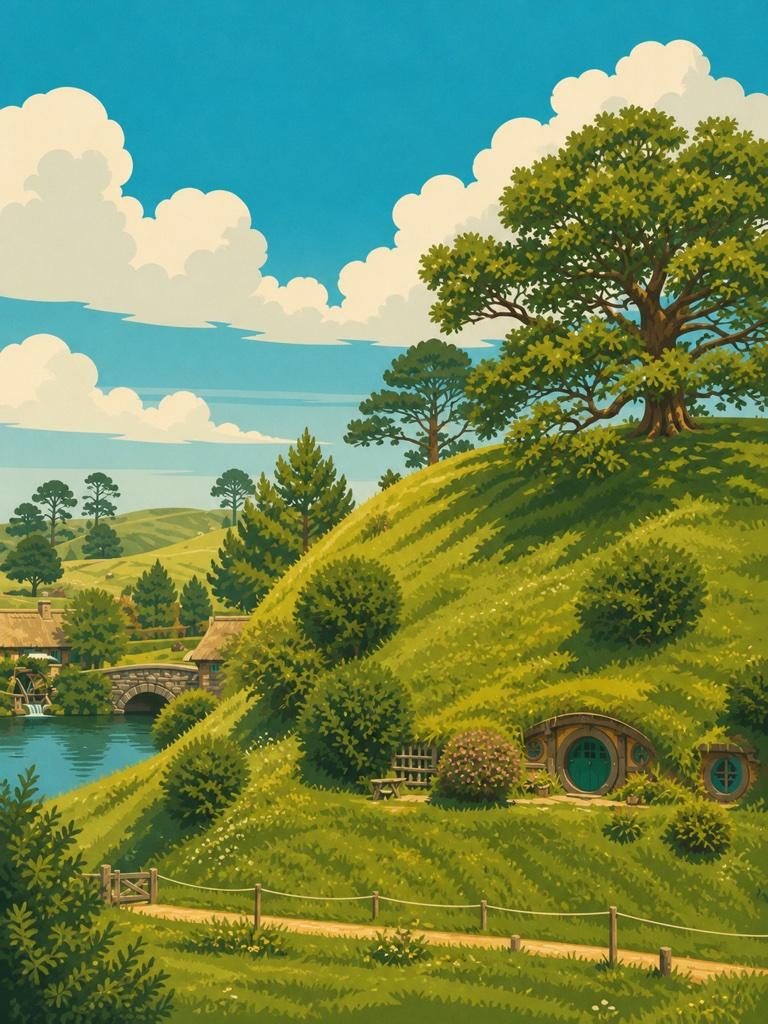
Illustrated VistaSpots postcard of hobbit holes on the hillside at the Hobbiton Movie Set, Matamata
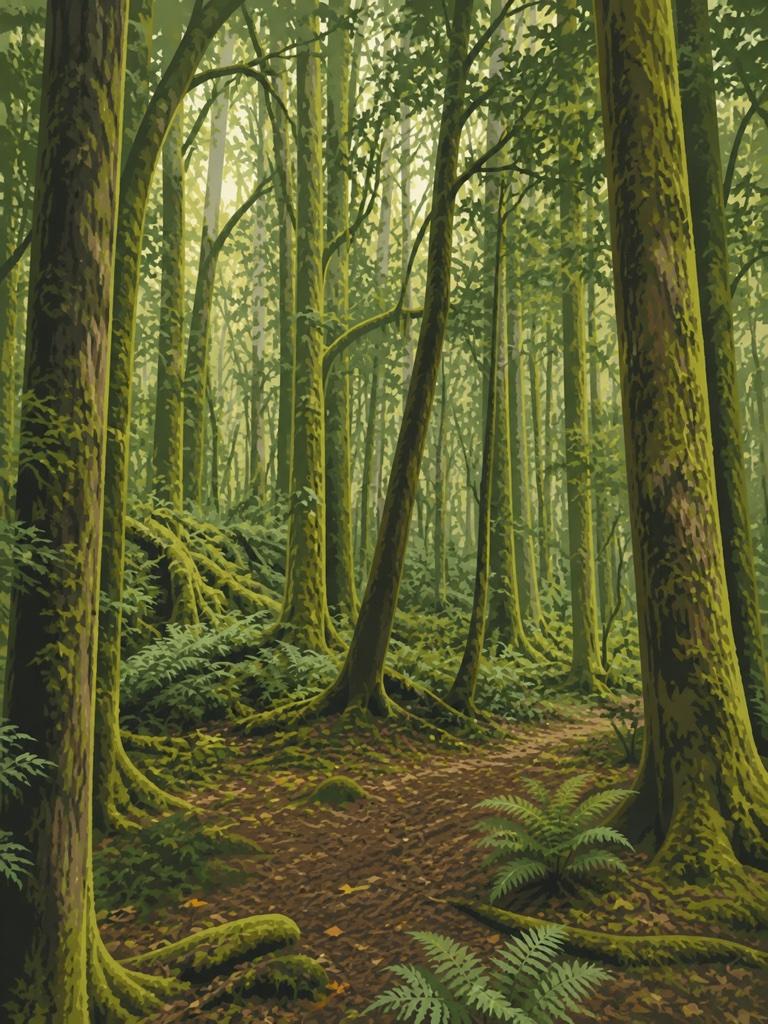
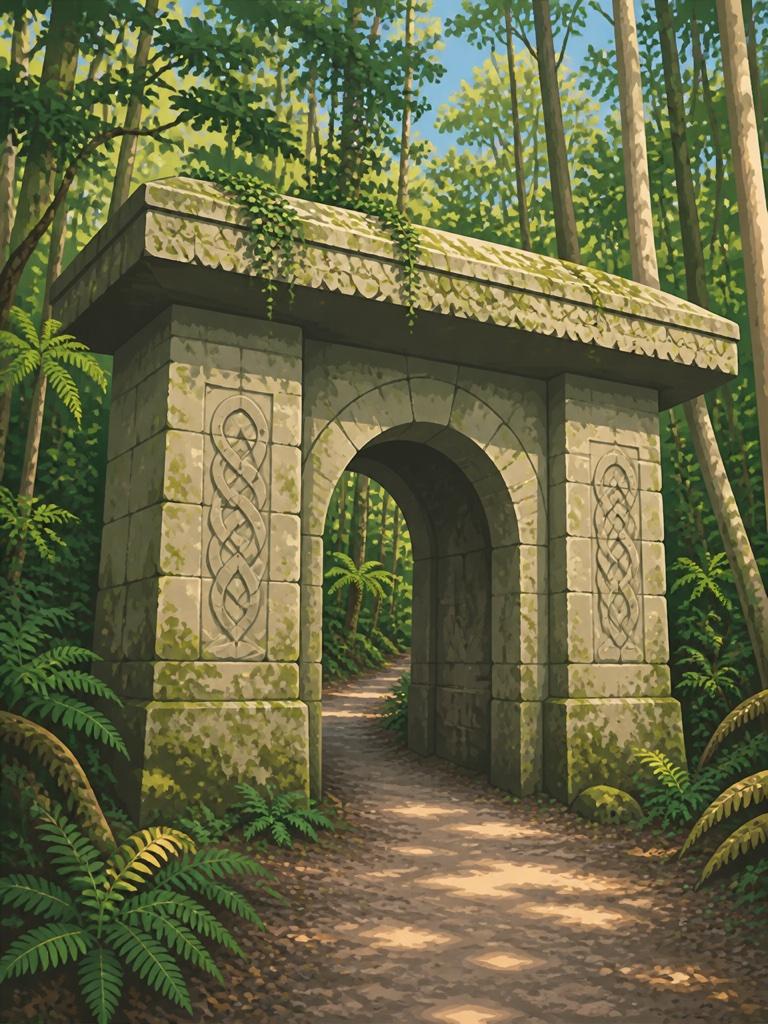
Illustrated VistaSpots postcard of the forest clearing at Kaitoke Regional Park that played Rivendell
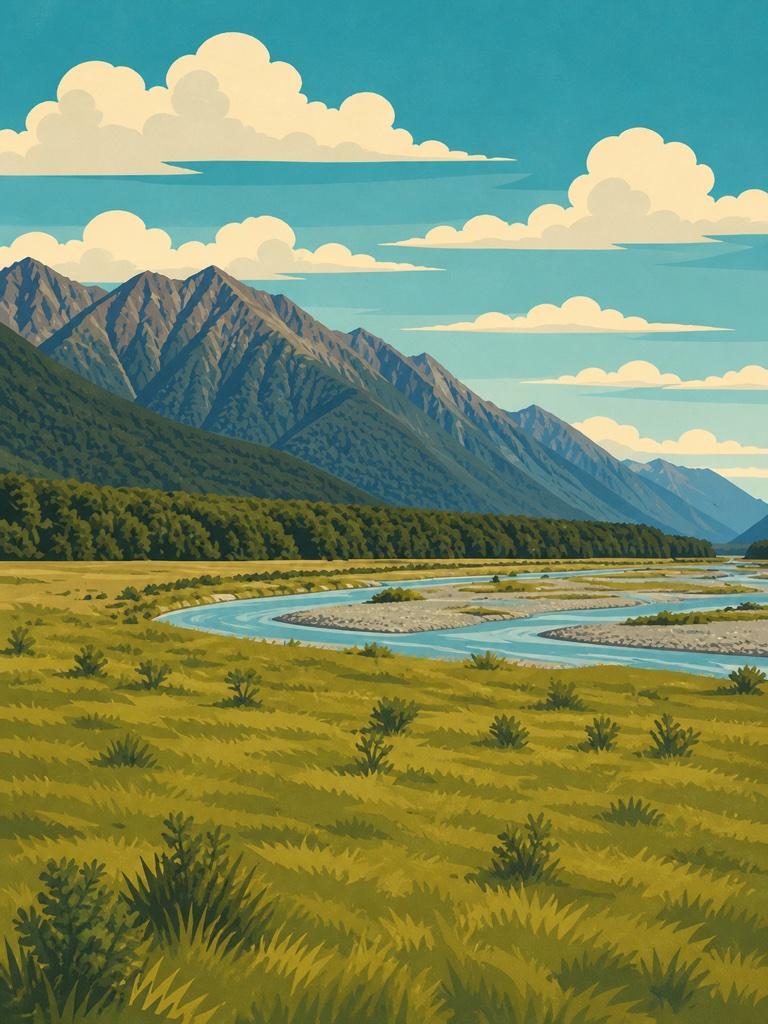
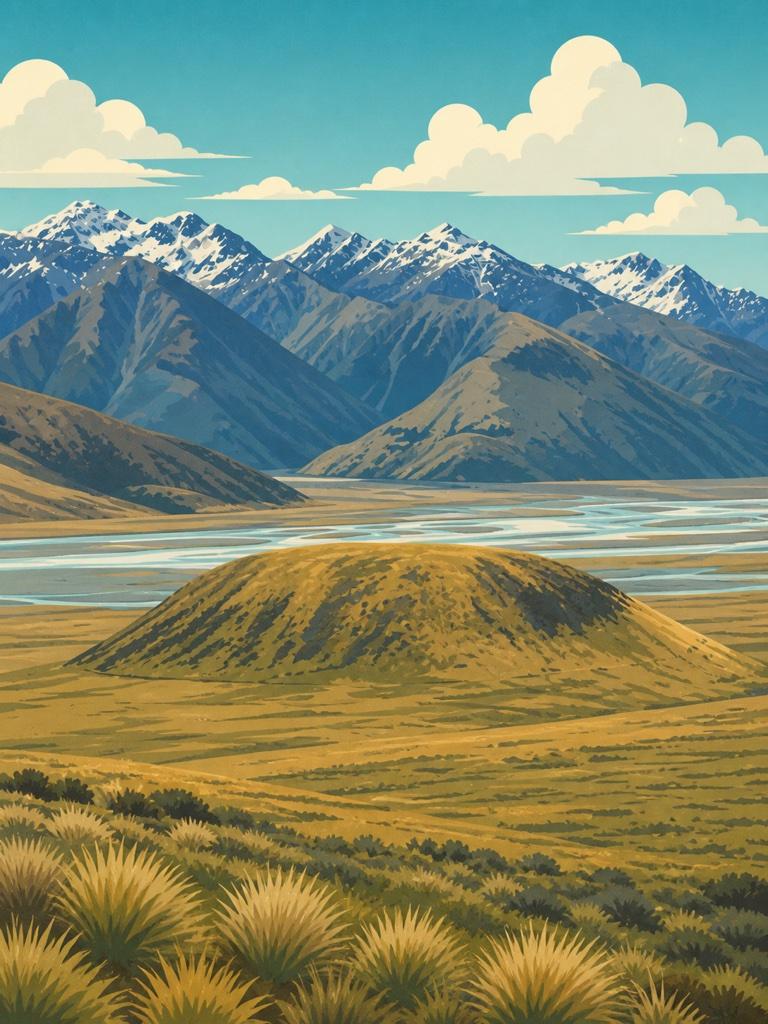
Illustrated VistaSpots postcard of Mount Sunday rising from the Rangitata Valley, the site of Edoras

Peter Jackson shot The Lord of the Rings entirely in New Zealand, and almost none of it is still there — which is the point. The crew filmed under conservation permits that required the land to be handed back the way they found it, so Edoras, Rivendell and the valley below Isengard are once again a bare hill, a clearing in the bush and a farm paddock. What you can visit is the landscape itself, standing exactly as the camera found it. This trail collects six of those places, from the one permanent set left at Hobbiton to a stand of bog pine near Te Anau that needed almost no dressing to be Fangorn Forest.

Last updated

On the trail

Six Lord of the Rings filming locations you can visit

Every filming location on the The Lord of the Rings Film Trail, with the name it goes by in The Lord of the Rings, where it is, and how you get in.
LocationOn screenWhereGetting in
Hobbiton Movie SetThe ShireMatamata, WaikatoGuided tour only (private farm), paid
Kaitoke Regional ParkRivendellUpper Hutt, WellingtonFree; 30-minute Rivendell loop walk
Mount SundayEdorasRangitata Valley, CanterburyFree; gravel road, then a 20–30 min climb
Putangirua PinnaclesThe Paths of the DeadWairarapa, WellingtonFree; ~30 min each way up the streambed
Dan's PaddockIsengardGlenorchy, OtagoFree; public gravel road with fords
Bog Pine PaddockFangorn ForestTe Anau, SouthlandFree; unsealed road, then a short walk
Illustrated VistaSpots postcard of hobbit holes on the hillside at the Hobbiton Movie Set, Matamata

Hobbiton Movie Set

On screen: The Shire

Matamata, Waikato

The Shire was built on a working sheep and beef farm outside Matamata that Jackson's team first saw from the air in 1998. The original set was temporary and came down after filming; it was rebuilt in permanent materials in 2011 for The Hobbit, which is why 44 hobbit holes, the Party Field and the Green Dragon Inn are still standing. The farm is private land and access is by guided tour only. The classic frame looks up the slope from the lower holes to Bag End at the top.

Illustrated VistaSpots postcard of the forest clearing at Kaitoke Regional Park that played Rivendell

Kaitoke Regional Park

On screen: Rivendell

Upper Hutt, Wellington

Rivendell was built in native forest above the Hutt River, about 12 km north of Upper Hutt. Every structure was removed when filming finished, but the regional council later installed a half-scale replica of the Elvish archway on the site, and panels along the track mark where the set pieces stood. The Rivendell Walk is a flat half-hour loop from the Pakuratahi Forks car park, and the canopy light that made the scene works best in the morning.

Illustrated VistaSpots postcard of Mount Sunday rising from the Rangitata Valley, the site of Edoras

Mount Sunday

On screen: Edoras

Rangitata Valley, Canterbury

Edoras — the gate, the hall of Meduseld, the whole hilltop city of Rohan — was a full-scale set built on Mount Sunday, a lone rock knoll left behind by a retreating glacier in the upper Rangitata Valley. Construction took most of a year with help from the New Zealand Army, and the set was dismantled completely afterwards; the conservation land carries no trace of it. The hill is freely accessible up a long gravel road from Methven, and the walk to the summit takes 20 to 30 minutes.

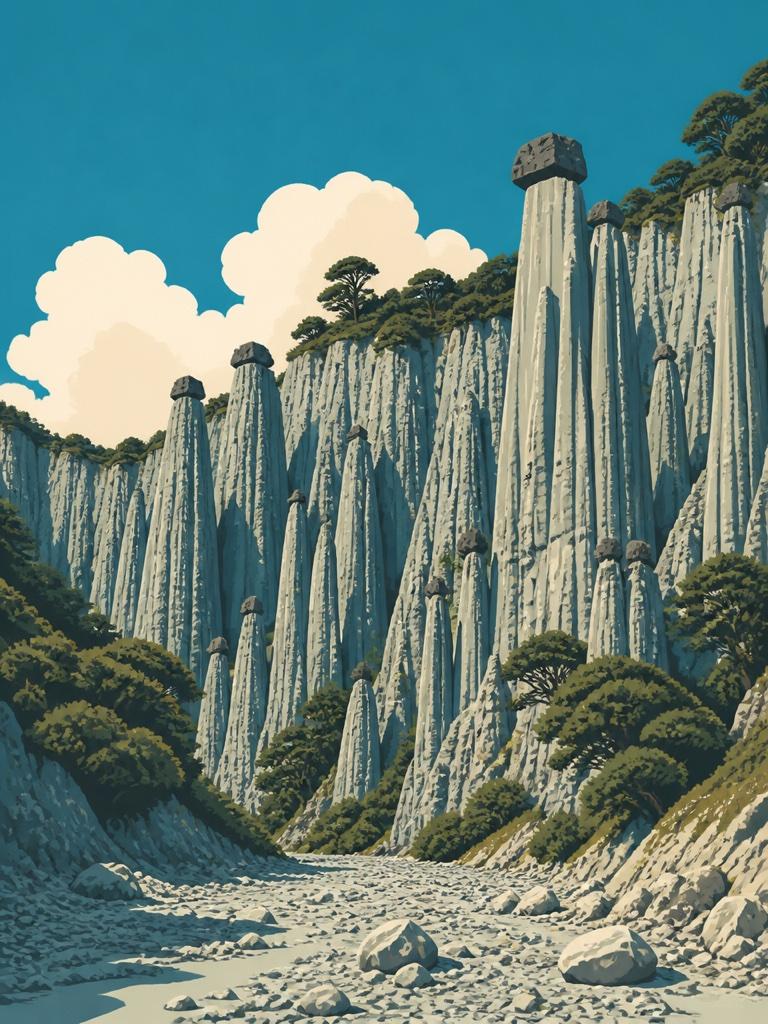
Illustrated VistaSpots postcard of the eroded earth pillars of the Putangirua Pinnacles

Putangirua Pinnacles

On screen: The Paths of the Dead

Wairarapa, Wellington

The Pūtangirua Pinnacles are a field of earth pillars — hoodoos — eroded out of an old gravel deposit at the head of the Pūtangirua Stream in the southern Wairarapa. Jackson used the dry streambed as the Dimholt Road, where Aragorn, Legolas and Gimli ride towards the Paths of the Dead in The Return of the King. The streambed walk from the car park takes about half an hour each way, and the loop track above it opens the wider view over the pillars.

Illustrated VistaSpots postcard of the mountain-ringed paddock at Paradise, Glenorchy, that became Isengard

Dan's Paddock

On screen: Isengard

Glenorchy, Otago

The valley Gandalf rides into on his way to Orthanc is a farm paddock at the end of the Glenorchy–Paradise road, north of Queenstown. Almost nothing in the finished shot is real: the tower was a miniature, the bush-covered hills on the left were filmed on the West Coast and grafted in, and the Dart River was painted out. The mountains and the flat green floor are the paddock itself, filmed from a helicopter circling on a Spacecam rig. The road in is gravel and fords a stream or two.

Illustrated VistaSpots postcard of the mossy bog-pine glade near Te Anau that played Fangorn Forest

Bog Pine Paddock

On screen: Fangorn Forest

Te Anau, Southland

The interior of Fangorn — where Aragorn, Legolas and Gimli meet Gandalf the White — is a small stand of bog pine on a mossy floor in Snowdon Forest, about 15 km from Te Anau off Takaro Road. The trees are low, multi-trunked and gnarled enough that the production barely dressed them, and the same glade later supplied background plates for Mirkwood in The Hobbit. The last stretch of road is unsealed and the glade is a few minutes' walk from a small parking area.

About the film

One country, three films, shot back to back

The Lord of the Rings: The Fellowship of the Ring, The Two Towers and The Return of the King were filmed as a single production between October 1999 and December 2000 — 274 days of principal photography, followed by years of pick-ups — across sites the length of both New Zealand islands. Jackson's brief to his location scouts was to find Middle-earth rather than build it, and the trilogy's best-known landscapes are unretouched country: a glacial knoll in the Rangitata Valley, a hoodoo field in the southern Wairarapa, a paddock at the head of a Otago valley.

That approach is why so much of it is visitable. Most of the sets stood on conservation land or on working farms, under permits that required full removal afterwards, so what survives is the terrain and, in two places, a marker: a half-scale replica of the Elvish archway at Kaitoke, and interpretation panels where the Edoras set stood. Hobbiton is the exception — it was rebuilt in permanent materials in 2011 for The Hobbit and is the one place on this trail where you are looking at the set rather than the location.

Films
The Lord of the Rings trilogy (2001–2003)
Director
Peter Jackson
Studios
New Line Cinema, WingNut Films
Filmed in
New Zealand
On this trail
6 locations across both islands
Sets standing
Hobbiton only

VistaSpots is an independent travel app and is not affiliated with, endorsed by, or sponsored by Warner Bros., New Line Cinema, WingNut Films, Middle-earth Enterprises, the Hobbiton Movie Set, or any rights holder in The Lord of the Rings. Film and place names are used descriptively, to identify real locations that are open to the public.
For fans who travel

Collect Middle-earth, one location at a time

A Lord of the Rings location is easy to reach and surprisingly easy to miss, because the thing that made it Middle-earth was a camera position. VistaSpots gives you the position.

Stand where the camera stood

Each card is drawn from the film's own angle on the real place rather than the location's postcard view, so the frame you take home is the one you recognise from the screen.

The land, not the set

Five of these six are landscapes that were handed back to the Department of Conservation with every structure removed. Knowing that going in is the difference between a disappointing field and the most famous hill in Canterbury.

Keep the trail together

Collect a location and it lands in one album with everywhere else you have been, in the order the story runs them, instead of scattering through a camera roll you never scroll back through.

FAQ

Frequently asked questions

Where was The Lord of the Rings filmed?

Entirely in New Zealand. The trilogy was shot back to back between October 1999 and December 2000 at sites the length of both islands, including Matamata in the Waikato (Hobbiton), Kaitoke Regional Park near Wellington (Rivendell), Mount Sunday in Canterbury (Edoras), the Putangirua Pinnacles in the Wairarapa (the Paths of the Dead), Paradise near Glenorchy (Isengard) and Snowdon Forest near Te Anau (Fangorn).

Can you visit the Lord of the Rings filming locations?

Most of them, yes, and most are free. Mount Sunday, the Putangirua Pinnacles, Kaitoke Regional Park and the Fangorn glade in Snowdon Forest are all on public conservation land with open access. Dan's Paddock at Paradise is reached by a public gravel road through farmland. Hobbiton is the exception: it sits on a private farm and can only be seen on a paid guided tour.

Are the Lord of the Rings sets still standing?

Only Hobbiton. The production filmed under conservation permits that required complete removal, so the Edoras set on Mount Sunday, the Rivendell set at Kaitoke and everything at Paradise were dismantled and the land restored. Hobbiton was rebuilt in permanent materials in 2011 for The Hobbit and kept as a visitor attraction.

Where is Edoras in real life?

Edoras was built on Mount Sunday, an isolated rocky knoll in the upper Rangitata Valley in Canterbury, on New Zealand's South Island, inside Hakatere Conservation Park. The set was removed completely after filming, so the hill is bare — but it is freely accessible, and the 20-to-30-minute climb ends on the exact ground the Golden Hall stood on.

Where is Rivendell in real life?

Rivendell was filmed in Kaitoke Regional Park, about 12 kilometres north of Upper Hutt near Wellington, on New Zealand's North Island. Nothing was left standing, but Greater Wellington Regional Council installed a half-scale replica of the Elvish archway on the site and the short Rivendell Walk loops past it.

Do you have to pay to visit the Lord of the Rings filming locations?

Only Hobbiton. It sits on a private working farm and can only be seen on a ticketed guided tour. Mount Sunday, the Putangirua Pinnacles, Kaitoke Regional Park and the Fangorn glade in Snowdon Forest are all free to enter on public conservation land, and Dan's Paddock at Paradise is reached by a public road.

Which Lord of the Rings location is most worth visiting?

For the set itself, Hobbiton — it is the only place where you walk into the film rather than the landscape behind it. For the landscape, Mount Sunday: the knoll stands alone in a wide braided-river valley ringed by the Southern Alps, and the view from the summit is the reason it was cast as Edoras in the first place.

How long does the Lord of the Rings trail take?

These six sit at opposite ends of the country, so treat it as a road trip rather than a day out. Hobbiton, Kaitoke and the Putangirua Pinnacles are on the North Island and can be linked in three or four days of driving; Mount Sunday, Paradise and Snowdon Forest are spread down the South Island's eastern and southern flanks and want about a week between them.

Do I need a tour to see them?

Only for Hobbiton, which is tour-access-only. Everything else on this trail is self-drive. Several of the approaches — Mount Sunday, Paradise, Snowdon Forest — end in unsealed roads with fords, so check the vehicle restrictions on your rental agreement before you commit to the drive.

How does VistaSpots work?

Open the map, pick a location, and go stand where the shot actually works — the app shows you the vantage, not just the pin. Being there on-site earns that location's collectible card, saved to one album alongside everywhere else you have travelled. It is free.

Walk the Lord of the Rings trail

Six locations, both islands, and the exact vantage for each one. Collect them as you go and the trail becomes a page you keep.